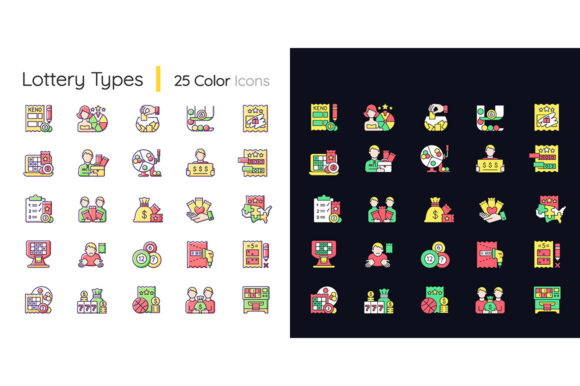
Lottery Types Light and Dark Theme RGB Graphics
A Visual Boost for Content Publishers
As a seasoned blog designer and digital publisher, I’ve encountered countless graphic design assets over the years. One that recently caught my eye is Lottery Types Light and Dark Theme RGB. This set of icons offers a fresh approach to visual storytelling, blending simplicity with a modern aesthetic that’s perfect for content creators looking to elevate their editorial design.
The First Impression: Clean, Modern, and Versatile
At first glance, Lottery Types Light and Dark Theme RGB feels like a breath of fresh air. The isolated vector illustrations on white and black space create a clean, uncluttered look that immediately commands attention. These simple filled line drawings pack a powerful visual punch without overwhelming the viewer. The light and dark themes offer flexibility, making them adaptable to both minimalist and bold editorial styles.
This asset naturally supports content niches that lean toward fun, engaging, and slightly playful visuals—think gaming, finance, and lifestyle publishing. Whether you're crafting a blog post about gambling games or creating a guide on winning jackpots, these icons add a layer of visual interest that enhances reader engagement.
Where to Use Lottery Types Light and Dark Theme RGB in Real Publishing Workflows
- Blog Featured Images: Use these icons as headers or accents in your blog posts to create a cohesive visual flow.
- Pinterest Pins: The high contrast and clean design make these icons ideal for social media graphics, especially when paired with text overlays.
- Website Banners: Incorporate them into hero images or category banners to reinforce brand identity and guide user navigation.
- Newsletter Headers: Add a professional touch to your email newsletters by using these icons as visual anchors.
- Downloadable Resources: These icons can be used in lead magnets, digital guides, and printable designs to enhance the overall user experience.
- Social Media Posts: From Instagram stories to Facebook ads, these icons are versatile enough to fit any platform's design requirements.
- Canva Templates: They work seamlessly with Canva, allowing publishers to quickly create branded templates for social media, blog posts, and more.
How It Enhances Content Performance
Using Lottery Types Light and Dark Theme RGB can significantly improve your content’s performance. Stronger first impressions are made possible by the clear visual hierarchy these icons provide. They help readers quickly identify key sections of your content, improving readability and click-through potential.
Consistent branding is another major benefit. These icons support a unified visual identity across all platforms, reinforcing your brand’s personality and increasing reader trust. Additionally, they aid in category recognition, helping users navigate through your website or blog with ease.
Optimal Use Cases for Maximum Impact
Lottery Types Light and Dark Theme RGB shines best in areas where visual clarity and impact matter most. Consider using them in hero images, article thumbnails, and Pinterest pins. These placements allow the icons to stand out while complementing the surrounding content effectively.
They also work well as editorial accents in content upgrades, downloadable resources, and category visuals. By integrating these icons into your design assets, you can create a more polished and professional-looking editorial layout.
When to Use with Caution
While Lottery Types Light and Dark Theme RGB is incredibly versatile, there are scenarios where it might not be the best choice. For instance, small mobile thumbnails can sometimes lose their impact due to limited screen space. In such cases, it's better to use simpler graphics or smaller icon variations.
Similarly, text-heavy blog images or low-contrast backgrounds may dilute the effectiveness of these icons. Busy layouts can also overwhelm the design, so it’s important to balance them with other elements carefully.
For serious professional niches or corporate content, these icons might come off as too playful or decorative. However, with thoughtful integration, they can still be used in a way that aligns with the brand’s tone and messaging.
Publisher Notes for Optimal Use
Before incorporating Lottery Types Light and Dark Theme RGB into your projects, consider the following practical tips:
- Test on Desktop and Mobile: Ensure the icons look good across different screen sizes and devices.
- Check Thumbnail Appearance: Preview how they look as thumbnails to ensure they’re visually appealing and informative.
- Preview in Real Blog Layouts: Test the icons within your actual blog or website to see how they integrate with existing design elements.
- Try with Headline Text: Pair them with different font styles to find the best combination for your brand.
- Review Contrast and Readability: Make sure the icons are easy to read against various background colors.
- Test in Black and White: Confirm that the icons retain their visual appeal even when printed or viewed in grayscale.
- Compress Images Properly: Optimize file sizes for web performance without sacrificing quality.
- Confirm Commercial Licensing: Always check the licensing terms before using the asset on monetized websites or paid content products.
Conclusion: A Reliable Graphic Design Asset for Content Creators
Lottery Types Light and Dark Theme RGB is more than just a collection of icons—it's a valuable graphic design asset that can elevate your content marketing strategy. Whether you're building a blog, designing a digital guide, or creating social media graphics, this asset offers a range of benefits that support both visual communication and editorial quality.
By understanding its strengths and limitations, you can strategically incorporate it into your workflow to create more engaging, professional, and clickable content. As a blogger, publisher, or digital marketer, investing in high-quality design assets like Lottery Types Light and Dark Theme RGB is an essential step toward building a strong brand identity and delivering exceptional user experiences.